If you love acting, you've probably had this thought at least once: "Should I just start auditioning, or should I actually go learn the craft properly first?"
It's a fair question. Many people believe acting is something you either have or you don't. But talk to any working actor, director, or casting person, and they'll tell you the same thing: talent gets you in the door, but training keeps you in the room. That's really what a diploma in acting is for. It's not about turning you into a robot who performs by the rulebook. It's about giving you the tools, the confidence, and the habits that make you dependable on set or on stage.
So if you're based in Punjab and looking for top acting courses there, let's talk honestly about why a proper diploma programme is worth considering, what it actually teaches you, and how to choose the right one.
Why Professional Acting Training Matters More Than Ever
A few years ago, maybe you could get away with pure hustle — show up, look confident, and hope for the best. That world is mostly gone now.
Today, actors are expected to do a lot more than just "acting." One day you might be shooting a short web series; the next you're recording a voiceover, and after that you're auditioning for a Punjabi film or doing a stage play for a college fest. Each of these needs slightly different skills. Camera acting is not the same as stage acting. Dubbing needs an entirely different kind of voice control than live theatre.
This is precisely why acting classes matter so much. Good classes don't just teach you how to "act sad" or "act angry" — they teach you how to break down a character, understand what a scene is really about, use your voice properly, and stay comfortable in front of a camera or an audience. These are learnable skills. Nobody is born knowing how to hit a mark on a film set or project their voice to the back row of a theatre.
What You Actually Learn in an Acting Diploma
People sometimes imagine a diploma in acting as sitting in a classroom reading scripts all day. It's really not like that. A good programme is mostly practical — you're on your feet, rehearsing, performing, getting feedback, and doing it again.
Here's roughly what a solid diploma programme usually covers:
- The basics of acting — understanding a script, figuring out what your character wants, and learning how to bring that out truthfully instead of just "performing" emotions.
- Voice and speech training — learning to project your voice, to speak clearly, and to control your tone. This is important whether you work in theatre, dubbing, or film.
- Movement and body language — your body is telling a story as much as your dialogue. Training makes you more aware of how you move, how you stand, and how you react physically.
- Camera technique — Acting for a camera is a totally different skill from acting on a stage. You learn subtlety, you learn how to hit your marks, and you learn how to work with a director and crew.
- Scene work and improvisation — This is when you get to practise being in character in the moment and reacting naturally instead of thinking every line through.
- Building a portfolio — you should now have some sort of showreel or performance material that you can actually use when applying for roles or auditions.
This hands-on approach is what separates a real diploma course from a casual weekend workshop. You're not just watching — you're rehearsing, failing, adjusting, and improving with people who know how to guide you.
Why Training in Punjab Makes Sense
You might be wondering, 'Why not just move straight to Mumbai and figure it out there?' Honestly, many people do that, and some of them do well. But there's also a strong case for training closer to home first.
Punjab's own entertainment scene has grown a lot. Punjabi cinema is genuinely one of the fastest-growing regional film industries in the country right now, and there's a steady stream of web series, music videos, and local theatre productions being made. That means real opportunities to perform, build a reel, and gain experience without needing to leave the state.
There's also the simple practical side — training in Punjab tends to cost less than training in a big metro city, and you don't have to juggle high living expenses while you're still learning. And these days, more universities here are offering structured, properly organised acting and performing arts programmes, rather than just informal coaching centres. That's a big shift, and it's part of why more students are actively searching for top acting courses in Punjab instead of assuming they have no local options.
Why You Should Consider Guru Kashi University
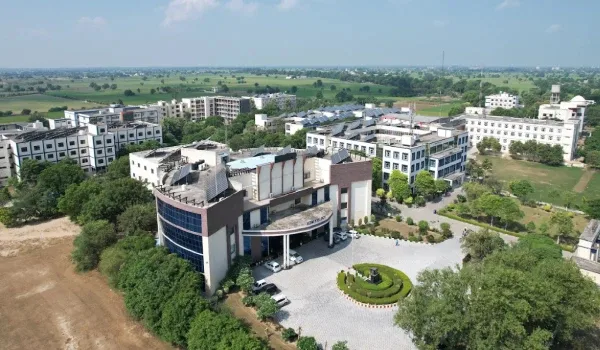
Guru Kashi University offers a structured approach to acting and performing arts education based on practical learning, experienced mentorship, and regular performance opportunities.
This is what it looks like in practice:
-
A curriculum that blends classic acting technique with modern screen craft, so you receive training not only for theatre but also for film, TV and digital media.
-
Faculty and guest practitioners with real industry experience, so what you're learning connects to how things actually work outside the classroom.
-
Regular chances to perform, not just study – because you learn acting by doing it in front of people.
-
A vibrant campus life, with drama clubs, cultural fests and student societies to keep you creatively involved even when you are not in class.
-
Career support through our placement and career development cell, helping you figure out the next step after your diploma instead of leaving you to sort it out alone.
Whether you're someone who's never stepped on a stage before or you've already done some theatre and want to formalise your skills, the goal is the same: to give you a solid, tested foundation on which you can actually build a career.
What Can You Actually Do After an Acting Diploma?
Many people think an acting diploma only leads to one thing — becoming a film actor. That's just one path among many. In reality, people who complete structured acting classes and diploma training end up in all kinds of roles, including:
-
Film and TV actors
-
Theatre performers
-
Voiceover and dubbing artists
-
Hosts, anchors, and content creators
-
Acting or drama teachers
-
Casting assistants and production team members
The training you get doesn't lock you into one narrow path. It gives you skills that are useful across the entire entertainment and media world — which matters a lot in an industry that's constantly changing.
Conclusion
If you really want to act, don't rely on luck alone. A proper acting diploma, supported by regular acting classes, mentorship and real performance experience, gives you something raw talent alone cannot – consistency, craft and confidence when it really matters. And as Punjab’s entertainment industry continues to grow, training here is no longer a ‘second choice’ – it’s now a smart first step.
All of the actors you admire started where you’re at right now, unsure but eager to learn. The difference is they picked a place to train and actually showed. And that’s really all there is to step one.
So don’t wait until the “right moment” to start, because it’s rarely going to happen on its own. Get started, do the reps, and let your training speak for itself.
Frequently Asked Questions (FAQ)
- Who can join a diploma in acting programme?
Most programmes admit students who have completed 10+2 (higher secondary), regardless of the stream they studied. You don’t need to be an actor, only interested and willing to learn.
- How long does a diploma in acting take?
It depends on the institution, but most diploma programmes run from a few months to a year depending on how in-depth the course is.
- What's the difference between a diploma and a full degree in performing arts?
A diploma is shorter and focuses on practical skills, so it’s a good way to get into the industry fast. A full degree takes longer but will provide you with a broader academic and theoretical base as well as performance training.
- Do I need previous acting experience to join acting classes?
Not really. Most acting classes are designed for beginners, building your skills step by step, so first-timers and those with some stage experience will be able to join and grow at their own pace.
- What kind of jobs can I get after finishing an acting diploma?
You can work in film, TV, theatre, web series, dubbing, anchoring or content creation. Some graduates also move into related areas such as casting, direction, or acting teaching.
- Why choose Guru Kashi University for acting training?
Because we believe in real, practical training – experienced faculty, regular performance opportunities, a genuinely active campus culture, and career support so you can start your career in the industry.
Ready to Start Your Acting Journey?
You don't have to wait for your big break. Come learn the craft properly. Explore Guru Kashi University's acting and performing arts programmes, meet the faculty, and take your first real step toward the stage or screen.
Apply Now for Admissions at Guru Kashi University →
Got questions about the programme, eligibility, or fees? Contact our admissions team — we’re here to help you with any questions.

 190+ Programs
 Global Campus
 Clubs & Societies
 Growth
 Campus Life
 Diverse Programs
 Experienced Faculty
 Practical Learning
 Strong Results
 Advanced Labs
 Research Publications
 Innovation & Patents
 Industry Collaboration
 Career Opportunities
 High Placement Rate

 Download Prospectus
 info@gku.ac.in
 +91-99142-83400