-
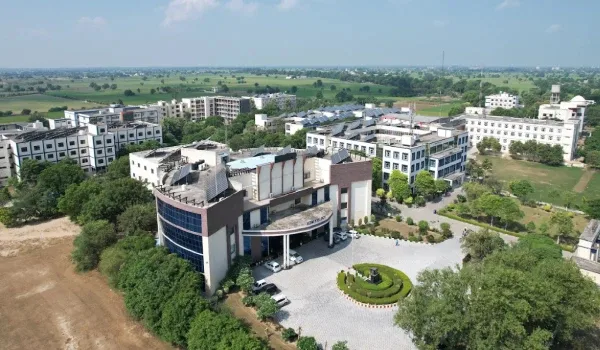
About GKU
Building Excellence Since Years
 190+ Programs
 Global Campus
-
Why GKU
Discover What Makes
GKU Clubs & Societies
 Growth
 Campus Life
- Faculties
-
Academics
Academic Excellence at GKU
 Diverse Programs
 Experienced Faculty
 Practical Learning
 Strong Results
- Programs
-
Research
Driving Innovation & Discovery
 Advanced Labs
 Research Publications
 Innovation & Patents
 Industry Collaboration
-
Placements
Your Career Starts Here
 Career Opportunities
 High Placement Rate
- Contact us




 Download Prospectus
 info@gku.ac.in
 +91-99142-83400